Culture has always adapted. Fire became feasts, ink turned into scripture, and radio gave way to pop culture. Today, we’re watching another shift—digital cultural traditions.
Weddings, holidays, and rituals that once happened face-to-face are now unfolding on screens. It feels strange, but also fascinating. So, how exactly is technology rewriting the ways we celebrate and connect?
Weddings in the Digital Age
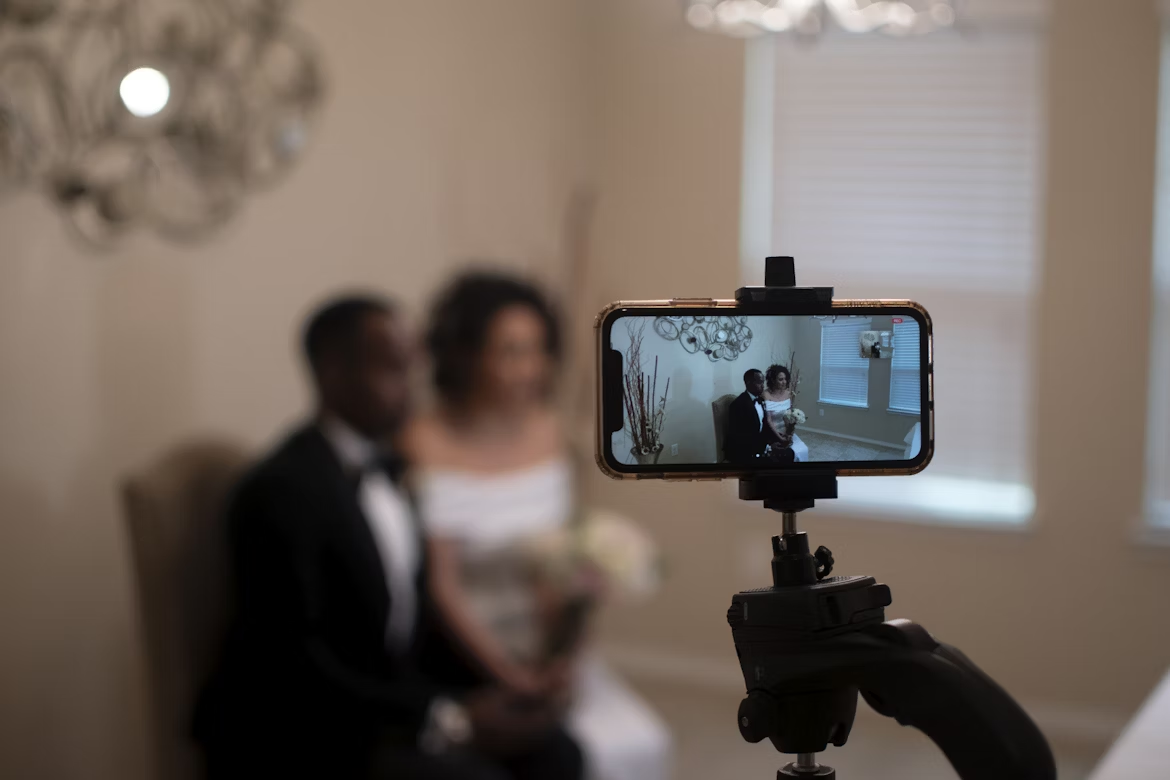
Picture this: a couple says “I do” under twinkle lights while a laptop streams the ceremony to relatives in three different countries. That’s not unusual anymore. Livestreamed weddings have opened the door for guests who can’t hop on a plane but still want to cry happy tears from afar.
Tech takes it further. Couples create hashtags for curated photo albums, set up virtual guest books, and even send AI-generated highlight reels to everyone afterward. These may not replace hugs on the dance floor, but weddings in the digital age prove that love finds new ways to include.
For more on how tech reshapes intimacy, see Tech and Relationships: Are Couples Texting More Than Talking?.
Digital Holidays: Together Apart
Holidays used to mean squeezing into grandma’s house and passing pie around the table. Now? Families log into Zoom for virtual holiday celebrations. Someone in New York might open gifts in sync with cousins in Manila, while another beams in from London with a cup of cocoa.
Social platforms also give traditions a global stage. Lunar New Year lion dances on TikTok. Hanukkah candle lightings streamed to Facebook groups. These digital holidays may lack the smell of cinnamon rolls in the kitchen, but they let scattered families stay connected. And thanks to digital storytelling, they spread traditions far beyond the living room.
Modern Rituals Online
It’s not just big milestones, but everyday rituals have gone digital too. Morning prayers show up as YouTube streams. Friends light candles “together” via WhatsApp. Even funerals can be livestreamed, so loved ones don’t miss a goodbye.
And then there are brand-new practices. Meditation apps that ping you at sunrise. Birthday shout-outs on Instagram that replace greeting cards. Digital memorial pages that live on long after. These modern rituals online show that tradition isn’t dying. It’s adapting.
When Traditions Go Viral
Not all cultural shifts happen in sacred halls or family gatherings. Some start on social media. A dance routine on TikTok evolves into a global festival trend. A cooking tutorial becomes a new staple at holiday tables. Memes remix folklore, turning old stories into shareable formats for a new audience.
This is where technology and traditions collide most visibly. What once took decades to spread now happens in days. And while some critics see this as dilution, others view it as evolution.
Viral doesn’t mean shallow, it means accessible. Tradition, after all, has always been about participation.
Technology and Traditions: Preservation Through Innovation
Technology doesn’t only change traditions, it preserves them. Cultural preservation technology like 3D scans, digital archives, and VR museums is giving endangered languages, chants, and dances a future. UNESCO calls this work critical for safeguarding heritage.
Apps now teach indigenous languages. Platforms catalog oral histories. Tech isn’t just altering rituals, but ensuring they don’t vanish altogether.
For another angle on tech habits and meaning, see How AI Is Quietly Reshaping Your Daily Routine.
Traditions in a Connected World
Digital cultural traditions are proof that culture bends but doesn’t break. Weddings, holidays, and rituals may look different on screens, yet their heart stays the same. It’s all about connection.
These evolving traditions remind us that meaning outlasts the medium. Technology doesn’t erase culture, but rewrites it for a generation living both online and off.