You sit down to watch TV, remote in hand. Within minutes, your phone lights up. A quick scroll becomes a second storyline. This habit, known as second-screen multitasking, is now the norm. But while it feels like efficiency, science suggests it comes at a cost.
To understand why, let’s dive into how split attention shapes the way we think.
Phone Use While Watching TV
Grabbing your phone during a show isn’t unusual. Phone use while watching TV is one of the most common digital behaviors. People check messages, scroll social media, or look up actors mid-episode.
At face value, it feels harmless. Yet studies find that dividing attention between screens reduces comprehension of both activities. A 2025 study, according to Times of India, confirmed that multitasking slowed brain processing and shrank focus spans. In other words, we think we’re absorbing more, but our brains are retaining less.
For another look at the hidden costs of everyday tech, see The Hidden Environmental Costs of Streaming.
The Cognitive Effects of Multitasking
Researchers have spent years studying the cognitive effects of multitasking. One consistent finding: task-switching takes energy. Each time you glance from your phone to the TV, your brain resets. That reset can lower memory performance and spike stress levels.
Stanford researchers further found that heavy media multitaskers scored worse on memory tasks than those who focused on a single activity. Other media multitasking research using fMRI scans revealed that constant switching rewires attention pathways, making it harder to filter distractions in the future.
Split Attention and Focus
The psychology term for this is split attention and focus. When our minds toggle between multiple streams, neither gets full engagement. Over time, this fragmented state erodes our ability to concentrate deeply.
It’s why notifications can derail work, and why watching two screens often feels less satisfying. Our brains crave novelty, but what they need for real comprehension is sustained focus.
For a related lens on distraction, see The Psychology of Notifications: Why You Can’t Stop Checking Your Phone.
TV and Smartphone Habits
The pull of TV and smartphone habits isn’t random. Entertainment companies and social media platforms design experiences to keep us engaged. Autoplay on one screen pairs perfectly with endless scroll on another. Together, they create a cycle of constant stimulation.
This can lead to brain overload from technology. The more we flood our senses with inputs, the harder it is to process them meaningfully. Psychologists even coined the term “popcorn brain” to describe the jumpy attention span created by digital saturation.
Digital Distraction Patterns
When you zoom out, digital distraction patterns emerge. We’re not just second-screening during TV. We’re checking phones in meetings, at meals, and even mid-conversation. Each behavior chips away at presence.
That erosion matters in relationships, learning, and even productivity. Trying to work with two or three devices open feels efficient, but often it’s the opposite.
Productivity and Multitasking: Can We Win?
The good news, not all multitasking is bad. Dual monitors at work can boost efficiency when tasks are related. But pairing unrelated streams, like a drama series and a TikTok feed, fragments attention. That’s where the harm lies.
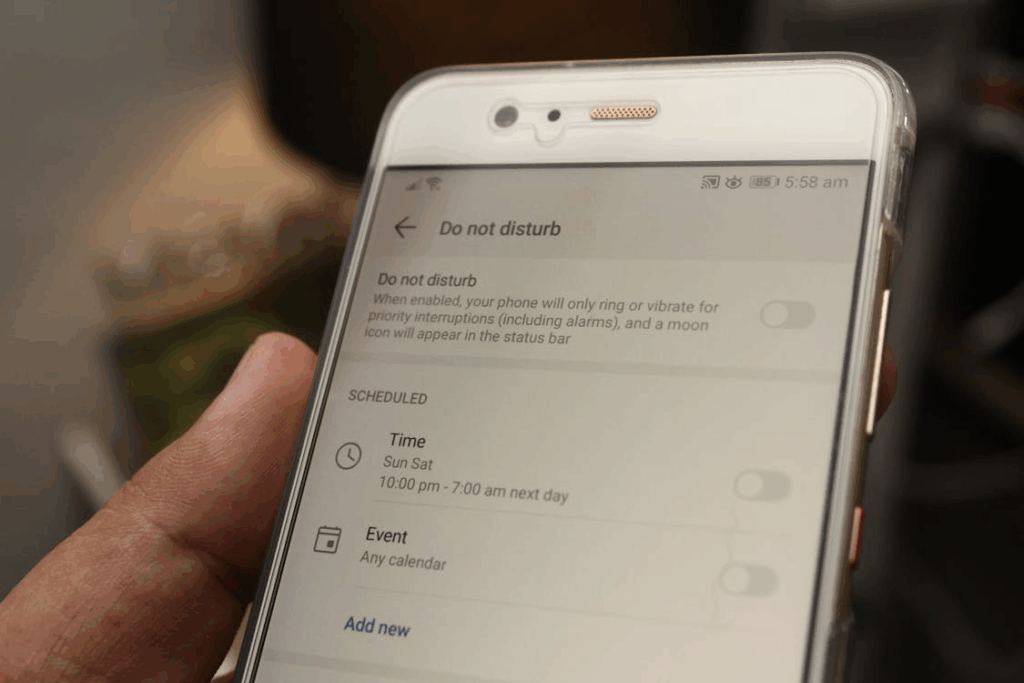
The lesson isn’t to ditch devices. It’s to use them intentionally. Turning off push alerts, designating phone-free hours, or practicing single-task focus helps rebuild mental clarity.
For inspiration, check Digital Minimalism in a Hyperconnected World.
The Takeaway
The rise of second-screen multitasking says a lot about our culture. We crave stimulation, but our brains pay the price. Split attention leads to weaker memory, higher stress, and shallow focus.
True productivity comes not from doubling up screens but from choosing when to give one task your full attention. In the end, multitasking isn’t the badge of efficiency we imagine. Sometimes, the smartest move is to simply put the phone down and enjoy the show.